Is NeeDoh Filling Edible or Toxic?
A NeeDoh is a sealed toy: a stretchy skin of thermoplastic rubber with a soft filling behind it. Classic styles are filled with polyvinyl alcohol, Nice Cube and Dream Drop with maltose sugar, and Snowball Crunch with cornstarch. Color changing versions add a water-soluble dye to whichever filling the model already uses.
No, a NeeDoh is not edible. Maltose is a sugar used in food and cornstarch sits in most kitchens, which is why the question comes up at all, but neither the filling nor the shell around it is produced to a food standard. Yes, a genuine NeeDoh is nontoxic and safe to handle. Its materials are chosen to pass current toy safety testing, and polyvinyl alcohol carries approval for contact with skin.
We took several toys apart to photograph what comes out of them, so nobody reading has to sacrifice a working one. Seeing the clear material leave the shell explains most of the confusion. It really does look like syrup.
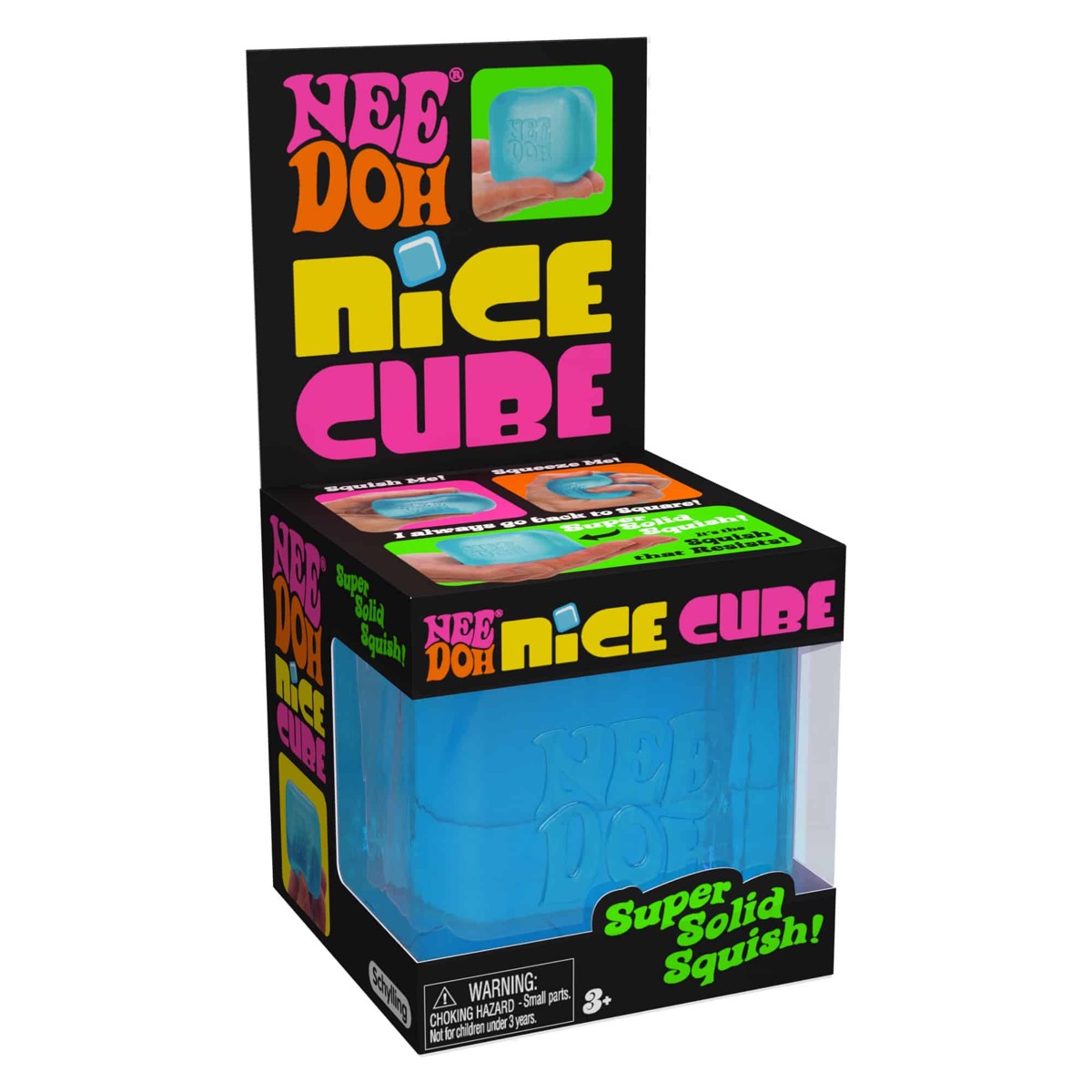
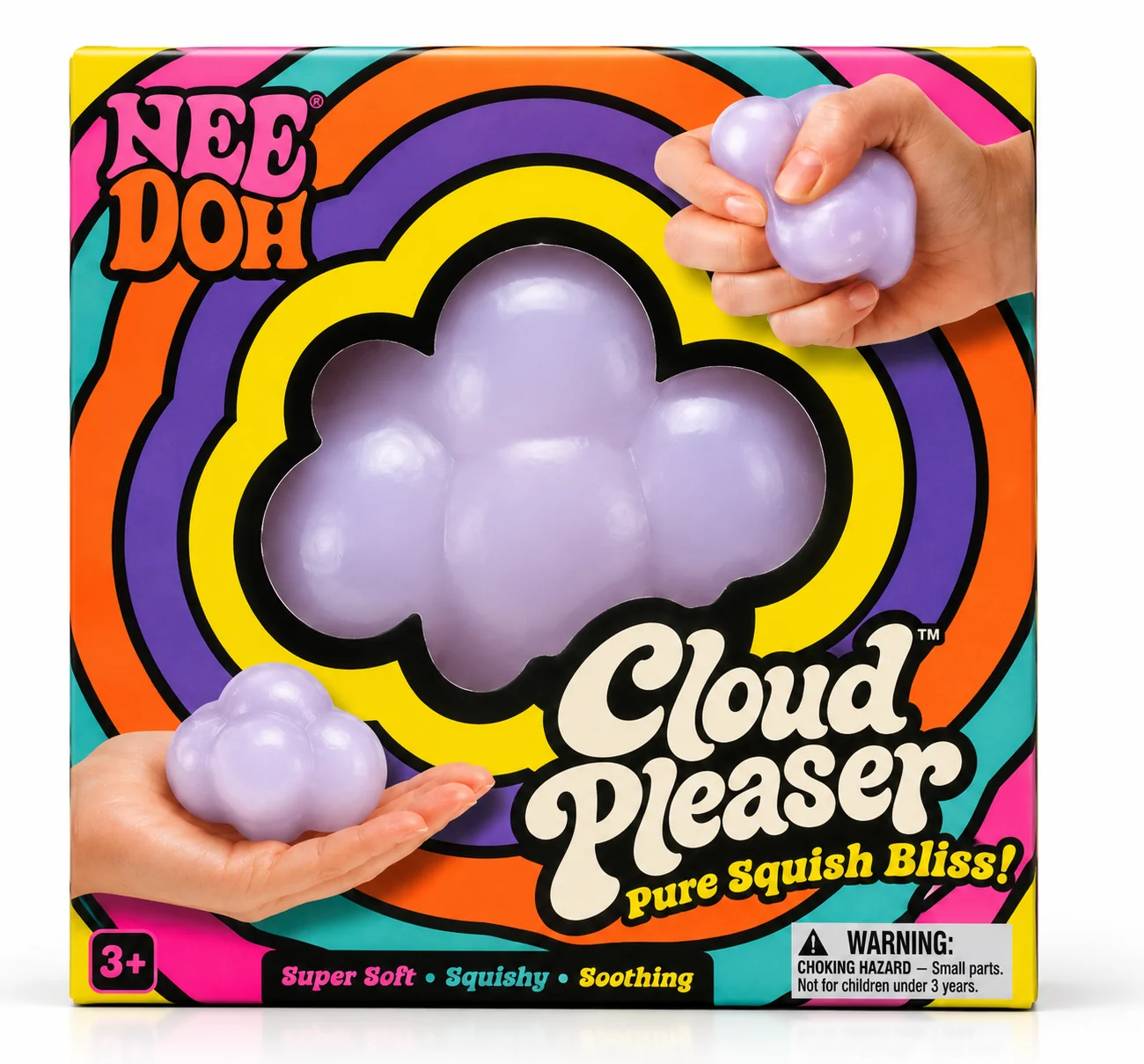
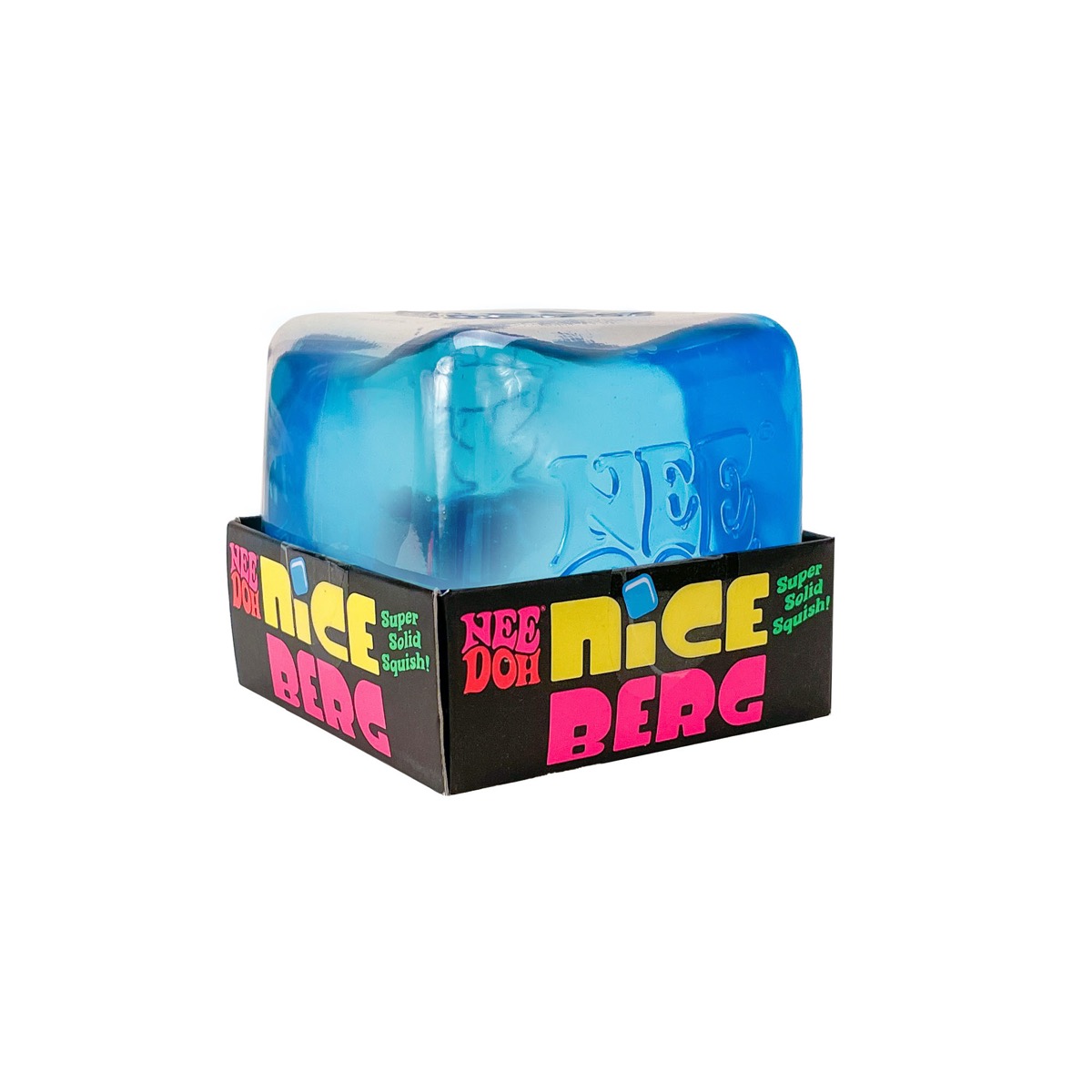
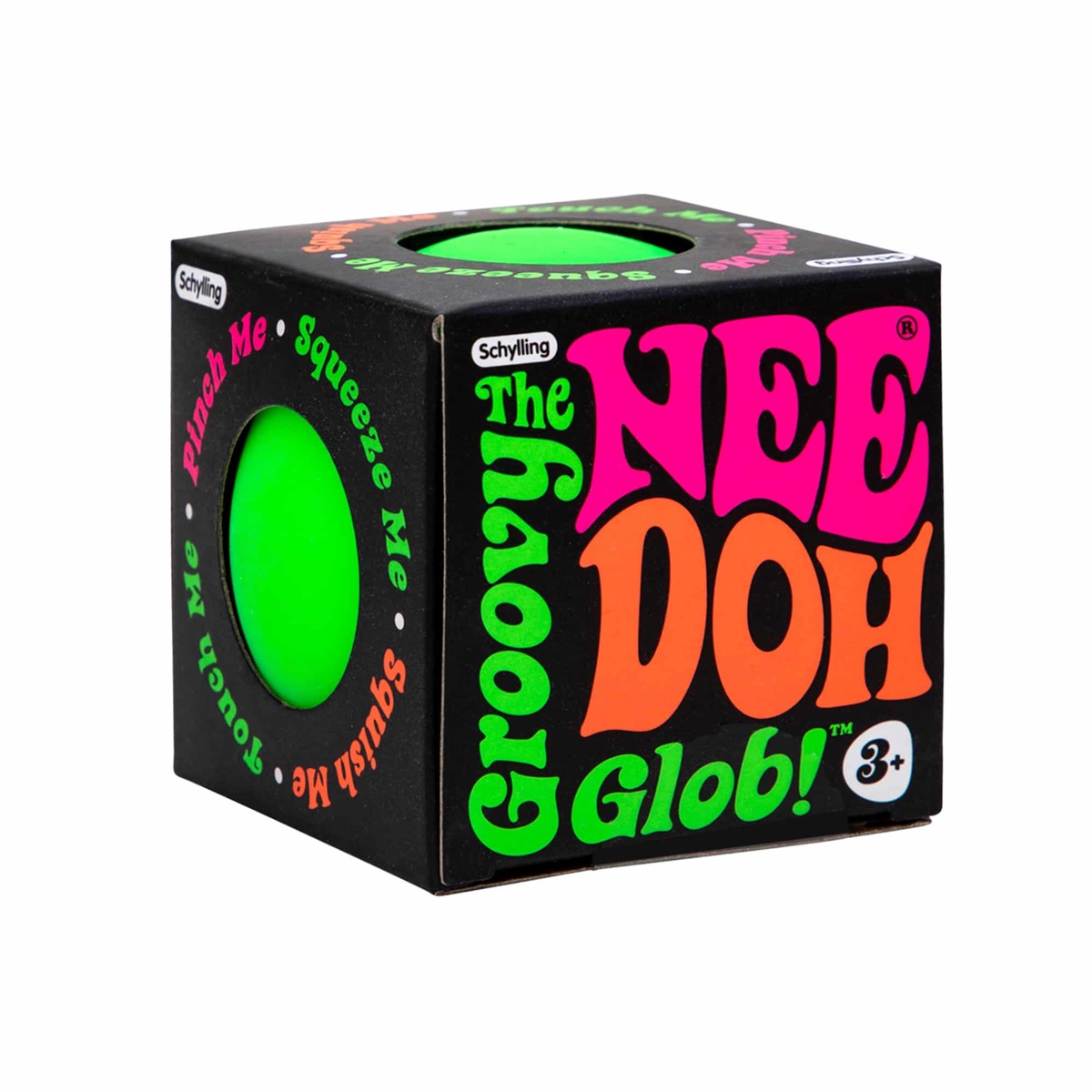
What Each NeeDoh Is Filled With
| Part or model | What is inside |
|---|---|
| Outer skin, every model | Thermoplastic rubber (TPR) |
| Groovy Glob and classic styles | Polyvinyl alcohol (PVA) |
| Nice Cube | 100% maltose |
| Dream Drop | Maltose sugar |
| Snowball Crunch | Cornstarch |
| Color changing styles | Base filling plus a water-soluble dye |
Polyvinyl alcohol is a synthetic polymer that holds together as one soft mass and shifts more slowly than the rubber around it. That lag is what produces the dense, dough-like press people recognize from the original Groovy Glob. The same polymer appears in coatings and in the capsules around supplements, so it is a common industrial material rather than anything exotic.
Maltose is a sugar pressed from barley. It is heavier than the gel and sets firm as it cools, which is why a Nice Cube resists a fast squeeze and gives way to a slow one. Cornstarch works differently again: it stays a dry powder instead of flowing, so Snowball Crunch compresses with an audible crunch rather than a stretch.
Each of the three can be formulated several ways, which is how two toys that look alike end up feeling nothing alike. Shell thickness moves the result again, because the same filling behind a heavier skin reads as firmer in the hand. The packaging on a particular model names the filling it uses.
What Is Inside a NeeDoh Nice Cube?
Maltose, and nothing else. The label calls it 100% malt extract. Out of the shell it is faintly amber rather than water-clear, dense, and sticky enough that a paper towel works better than rinsing.
That single swap explains the feel. Maltose packs tighter behind the same rubber skin, so the Nice Cube pushes back where a Classic gives way. Squeeze the two together and the difference lands in the first second.
Sugar also behaves differently under heat, which is why the Nice Cube dominates the burn stories further down this page.
Is NeeDoh Filled With Glue?
Not quite, though the comparison has a real basis. Polyvinyl alcohol is used in making white school glue, so the two get mentioned together.
White glue itself is polyvinyl acetate. Casual writing shortens both to PVA, and that shared abbreviation is where the idea of a glue-filled toy comes from. The polymer inside a Nee Doh is the alcohol one.
Is NeeDoh Edible?
No, and the Nice Cube is no exception. Its maltose is a food ingredient, which describes what goes in rather than the object that comes out.
A Nice Cube is molded, packed, shipped, warehoused and handled as a toy. By the time filling reaches your hand it has spent months sealed against a rubber shell and then landed on a desk, a floor or a backpack lining. Snowball Crunch runs into the same logic with cornstarch behind it.
Edible ingredient, inedible toy. If one splits, the filling goes in the trash.
What Happens If You Swallow Some
A small accidental taste from a genuine NeeDoh is unlikely to poison anyone. Stress-ball fillings sit low on the toxicity scale, and a minor exposure often produces no symptoms at all. Nausea, vomiting or stomach ache are the realistic outcomes.
If a child bites through one:
- Take the toy away.
- Clear any rubber or filling from the mouth.
- Wipe the mouth with a wet cloth and offer a drink of water.
- For exposure advice, phone 1-800-222-1222 to reach Poison Control.
- Call 911 immediately if a child chokes, struggles to breathe or cannot swallow.
The torn shell is often the more urgent problem. A loose piece of rubber is a choking hazard in a way that a smear of filling is not.
An unbranded squishy from a marketplace listing deserves more caution than a genuine one, because nobody can tell you what is in it. That difference gets its own section below.
Is the Filling Toxic?
Genuine NeeDoh toys are tested against current toy safety standards and the filling materials are chosen to be nontoxic. An intact toy is meant to be squeezed with bare hands, and that is the whole of its intended use.
Toy safety testing does not make escaped filling suitable for intentional skin contact. The rule worth keeping is narrower than the label on the box: the outside is for playing with, and filling that has escaped the shell means the toy is done. Nontoxic has never meant edible.
If It Gets on Skin or in Eyes
On skin, lift off the bulk of the material rather than rubbing it around, then wash with mild soap and water. Unheated filling from a genuine toy is a cleanup job rather than an emergency. Redness, pain or blistering that persists after washing needs a doctor.
An eye is less forgiving. Rinse with clean, room-temperature water for at least 15 minutes without rubbing, and take contact lenses out if they come away easily during the rinse. Lasting pain, redness or any change in vision means getting it looked at.
Heated filling changes the situation completely, and that has its own section below.
If a NeeDoh Breaks or Leaks
Once the shell splits, the toy is finished. Tape, glue and heat will not reseal it, and a patched shell reopens the moment somebody squeezes it again.
Cleanup goes faster if you lift the filling off dry before anything gets wet:
- Scrape up the loose filling with a paper towel or a piece of card.
- Put it in the trash. A thick blob can set inside a drain.
- Wipe the area with a damp cloth and mild soap.
- Wash your hands and throw the damaged shell away.
Maltose is the messiest of the three fillings. It grabs fabric, dust, paper and hair, then hardens as it cools, so warm water does more good than scrubbing once the bulk is gone. Polyvinyl alcohol holds together better and usually lifts in one piece.
Keep the spill away from carpet and electronics while you work.
Why Did My NeeDoh Get Sticky?
First work out whether the stickiness sits on the shell or comes through it. Thermoplastic rubber picks up lint and skin oils over months in a pocket, and a wash with mild soap and water followed by air-drying usually restores the surface.
An opaque NeeDoh can take a very light dusting of cornstarch afterwards if it still feels tacky. Do not try that on a clear Nice Cube or Dream Drop unless a cloudy finish is acceptable. The full method, along with what to do about a cube that has gone hazy, is in our guide to cleaning a NeeDoh.
A wet or syrupy patch that keeps coming back is a different problem. That is filling escaping through a puncture or a worn seam, and no amount of washing fixes it.
Never Heat, Freeze, or Microwave It
The warning printed on the box reads: “Do NOT heat, freeze, or microwave, may cause personal injury.”
That line earned its place in 2026. A social media trend had children microwaving Nice Cubes to soften them, and heated maltose does not soften quietly. Squishy toys have burst after 15 seconds in a microwave, with filling measured above 200°F. A nine-year-old in Illinois ran one for roughly 40 seconds and it exploded as he took it out, burning his face and hands. One Chicago hospital treated four children for the same injury that year.
Hot sugar is worse than hot water because it sticks. It keeps pushing heat into skin long after it lands instead of running off.
| Heat source | What it does to the toy |
|---|---|
| Microwave | Bursts in seconds, filling well above scalding temperature |
| Radiator or heater | Softens the filling until pressure splits the skin |
| Long direct sunlight | Weakens the shell, then a slow leak |
| Freezer, then warming up | Stiffens and cracks the skin, which leaks on thawing |
Freezing is banned on the packaging for the same practical reason as heating: the toy is built for room temperature, not for cycling between extremes. The worst combination on record is freezing a Nice Cube and then microwaving it to loosen it up again. To soften a stiff one, knead it in your hands for a minute.
Do Not Leave One in a Hot Car
A NeeDoh does not need a microwave to become dangerous. A closed car in summer reaches temperatures that soften the filling and build pressure inside the shell, and the resulting burst carries the same sticky filling onto whoever picks it up.
This is the newest addition to the official guidance and the easiest to miss, because nothing about a toy on a dashboard looks like a hazard. Squishy toys left in high-temperature spots can get hot enough to rupture and cause severe burns.
Store them indoors somewhere cool and dry. On a desk is fine. On a dashboard in July is not.
If Hot Filling Burns You
Cool the burn before anything else:
- Hold the skin under cool running water for at least 20 minutes.
- Do not use ice, and do not pull at material stuck to the skin.
- Once cooled, remove what remains with mild soap and water.
- Cover the area with a clean nonstick dressing.
- Get medical care for a deep burn, a burn on a child, or any sign of infection.
Sticky sugar does not roll off the way hot water does, so it keeps delivering heat for as long as it stays attached. That is the reason for twenty minutes rather than a quick rinse.
Are Fake NeeDohs Filled With the Same Thing?
Nothing guarantees it. A counterfeit can copy the shape, the color and the transparency of a Nice Cube without matching the filling or the testing behind it.
Counterfeit squishy toys have turned up holding unknown gels, powders and water beads, and noncompliant versions have carried excessive lead and prohibited phthalates alongside missing age warnings. Across 2026, 355,683 units were stopped at US ports in 55 shipments before they reached shelves.
Stop using one if the surface feels oily, the smell is strongly chemical, the manufacturer details are missing, or the shell tears far too easily. Any of those on its own is enough.
This matters more for a squishy than for most toys, because you are buying a sealed object whose contents you cannot inspect. Our fake vs real NeeDoh guide goes through the packaging and seller checks in detail.
Is NeeDoh Safe for Kids?
An intact genuine NeeDoh is a children’s sensory toy, and most models are rated for ages 3 and up. That lower limit is about the shell rather than the filling: a torn piece of rubber is a choking hazard, and toddlers are the ones most likely to bite through and find out what is inside.
Retire a child’s Nee Doh when the shell develops a puncture, a patch that keeps leaking, or a thin spot that stretches further every time. Discoloration and a shell that pulls apart easily belong in the same category.
Ordinary dirt is fixable with soap. Structural damage is not worth the argument.
Where Are NeeDohs Made?
NeeDoh comes from Schylling, an American toy company founded in 1975 and based in North Andover, Massachusetts. The range has been designed there since the first Groovy Glob went on sale in 2017 and sold out inside a month.
The country a particular toy was manufactured in is printed on its packaging, along with the manufacturer details that a counterfeit usually gets wrong. Checking those two things tells you more about authenticity than the price does.
FAQ
Is NeeDoh edible?
No. Sugar and cornstarch turn up in some fillings, which is why the question keeps coming up, but a squeeze toy is not manufactured to any food standard and neither is the rubber around it. A split NeeDoh is trash rather than a snack.
What happens if you swallow NeeDoh filling?
Ask Poison Control (1-800-222-1222) for advice after swallowing any part of the toy. Small exposures may cause nausea, and shell fragments can obstruct the airway. Choking, breathing trouble or difficulty swallowing requires an immediate 911 call.
Is the inside of a NeeDoh toxic?
No. Genuine toys are built from materials picked to pass toy safety testing, and the polyvinyl alcohol inside them is cleared for skin contact. Nontoxic describes the material rather than every use somebody can invent for it.
What is inside a NeeDoh Nice Cube?
Maltose, a sugar pressed from barley, with nothing mixed into it. The label reads 100% malt extract. It behaves like set candy syrup, which is where the cube gets its heavy, slow squeeze.
Is NeeDoh filled with glue?
No, although the mix-up is easy to make. Two different polymers share the abbreviation PVA: the alcohol version goes into the toy, and the acetate version is what white school glue is built from.
What should I do if NeeDoh filling gets on skin?
Remove loose filling gently, then clean the skin using mild soap and water. If irritation continues, contact Poison Control or a clinician promptly. Pain that worsens or blistering calls for medical attention. Hot filling can burn skin and needs immediate cooling.
What should I do if NeeDoh filling gets in an eye?
Start rinsing the affected eye with lukewarm running water for 15 to 20 minutes. Remove contact lenses if they come out easily. Severe pain or being unable to open the eye needs urgent medical help. Symptoms that remain after rinsing also need medical assessment.
What should I do if my NeeDoh leaks?
Bin the toy. Collect the loose filling while it is still dry, wipe the surface with mild soap and a damp cloth, then wash your hands. Nothing reseals a punctured shell, so a repair only postpones the same mess.
Can you microwave a NeeDoh?
Never. Heating turns a sealed toy into a small pressure vessel, and filling that bursts out clings to skin rather than running off it. Children have been hospitalized with facial burns after trying it. Warm a stiff one between your palms instead.
Is it safe to leave a NeeDoh in a hot car?
No safer than a microwave, only slower. Summer dashboards, radiators and hours of direct sun drive the same rupture, and filling that stays stuck to skin burns deeper than a splash of anything hot. Store them somewhere cool indoors.
Do fake NeeDohs contain the same filling?
There is no way to know. Seized counterfeits have held everything from water beads to unidentified powders, and some carried lead or banned phthalates. A suspiciously low price, missing manufacturer details and a chemical smell are the usual tells.
Why did my NeeDoh get sticky?
Wash it first. Rubber that has lived in a bag collects skin oil and lint, and mild soap usually restores the surface. Stickiness that returns after cleaning means the shell has opened up somewhere, and that toy is spent.
Shop Authentic NeeDoh
A genuine NeeDoh keeps its filling where it belongs through years of daily squeezing, and you know which material is in it before you buy. That is most of the safety question answered at the point of purchase.